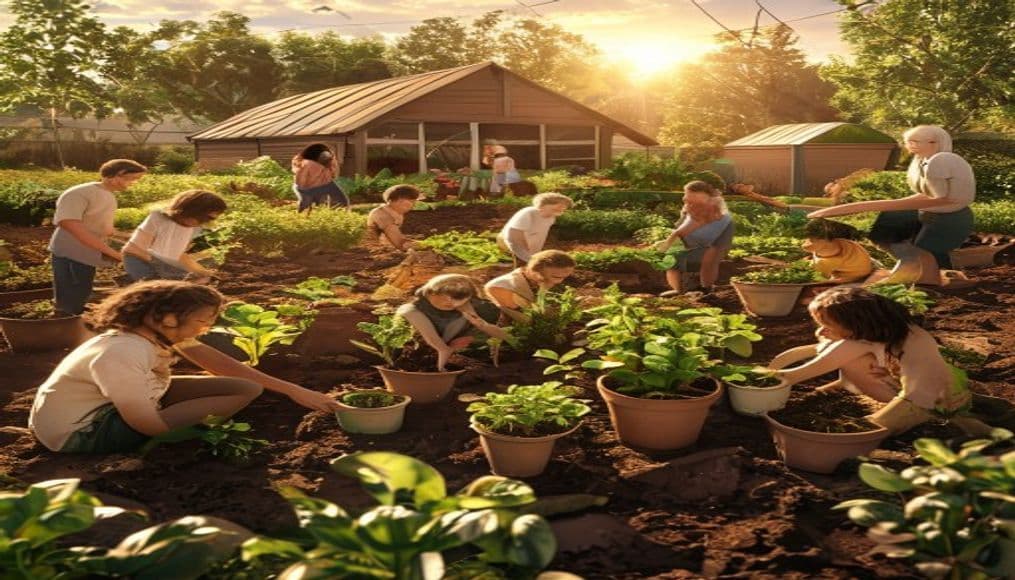
Walk through it
The Lived Experience
This is what it feels like when a gathering becomes a field: arrival softens, meals synchronize, creativity wakes up, and an ordinary space starts behaving like a host.
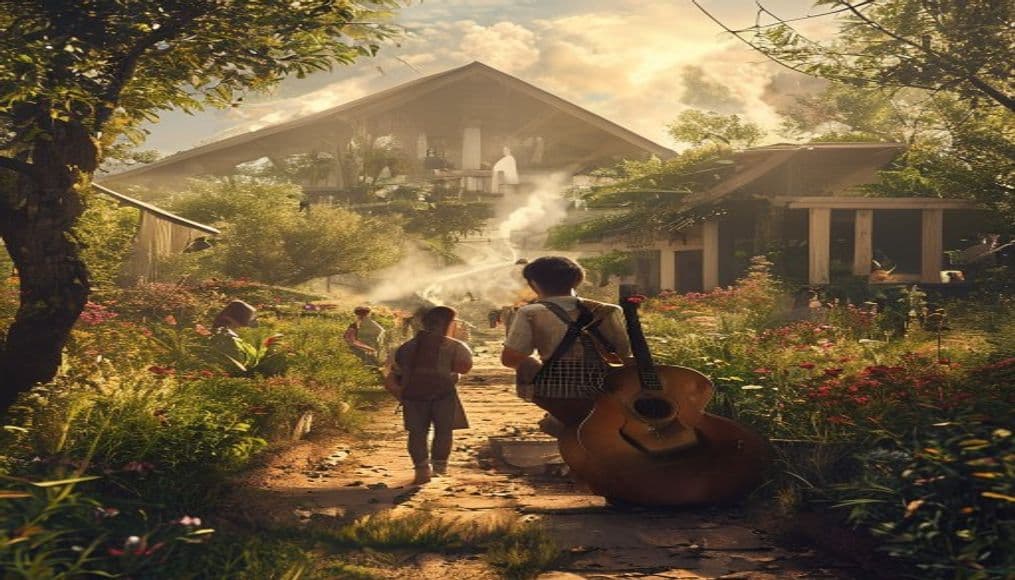
Arrival
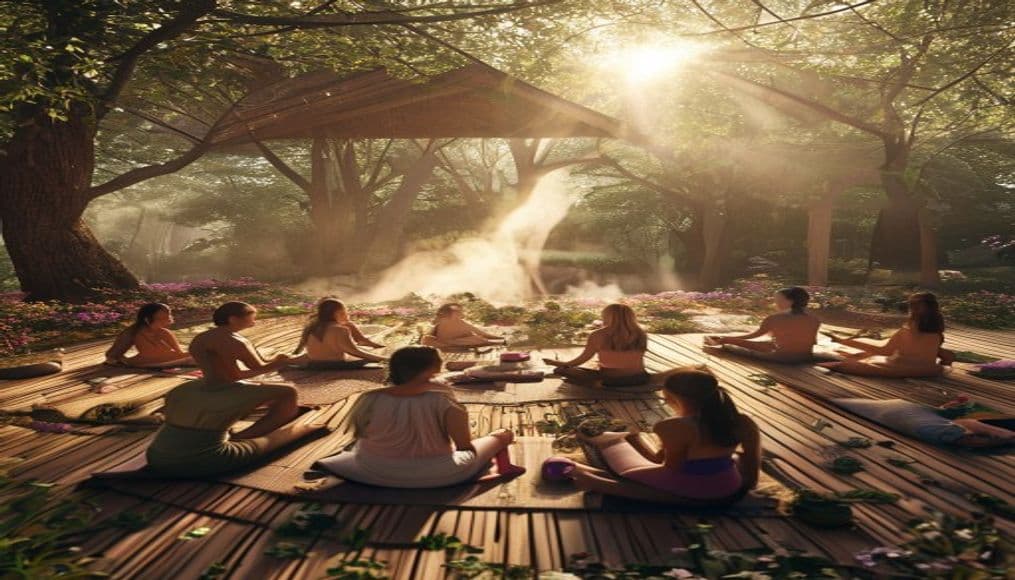
A person enters with all the speed of the outside world still in their body. A host makes tea, a meal is already somewhere in the building, music is coming from another room, and the first shift happens before any explanation does.
A field often becomes legible through atmosphere before it becomes legible through language.
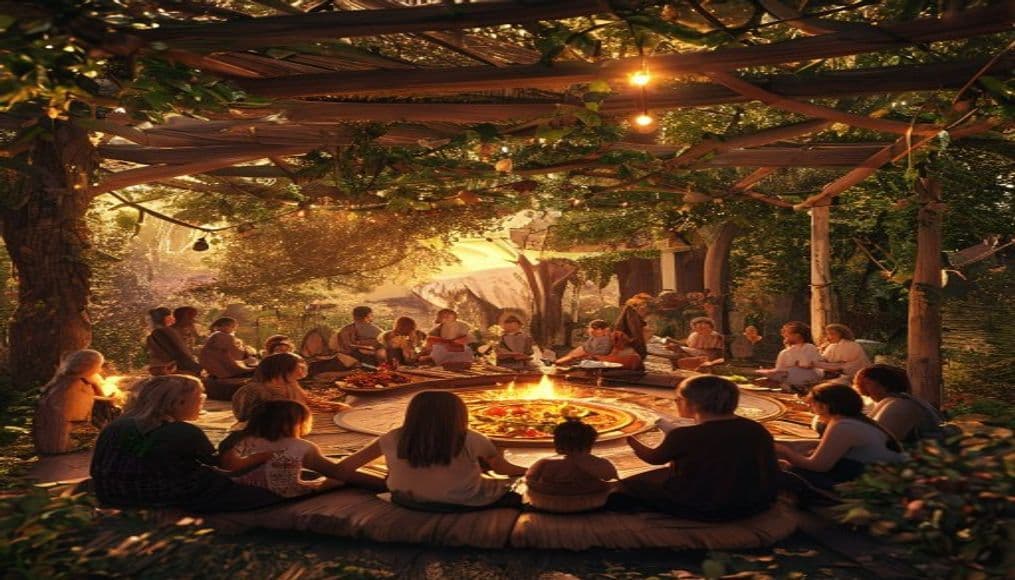
The Table
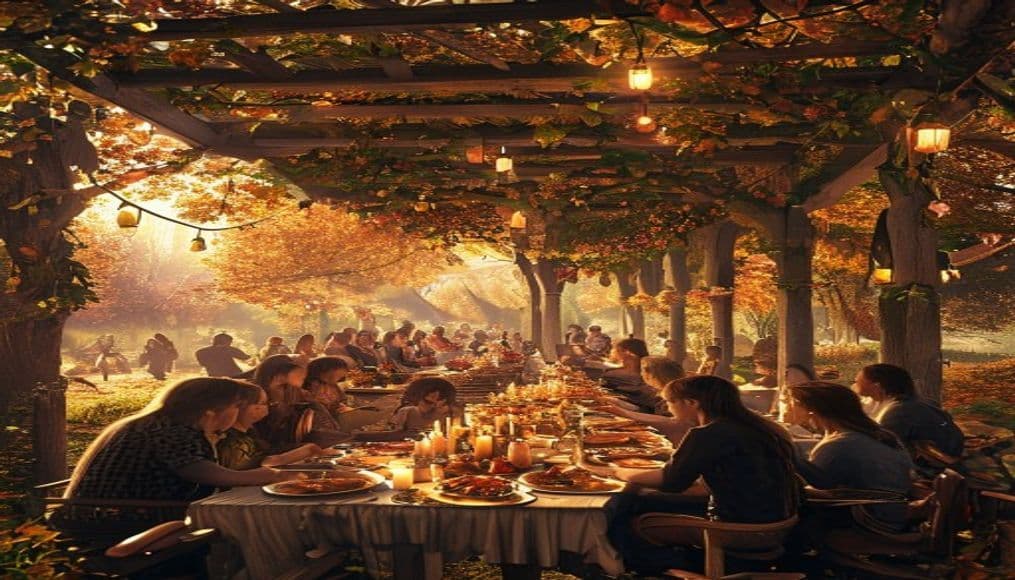
A shared meal does more than feed people. It synchronizes pace, widens trust, reveals tone, lets stories move, and gives bodies enough safety to become more honest about what they carry.
Nourishment is one of the fastest ways a future community becomes physically believable.
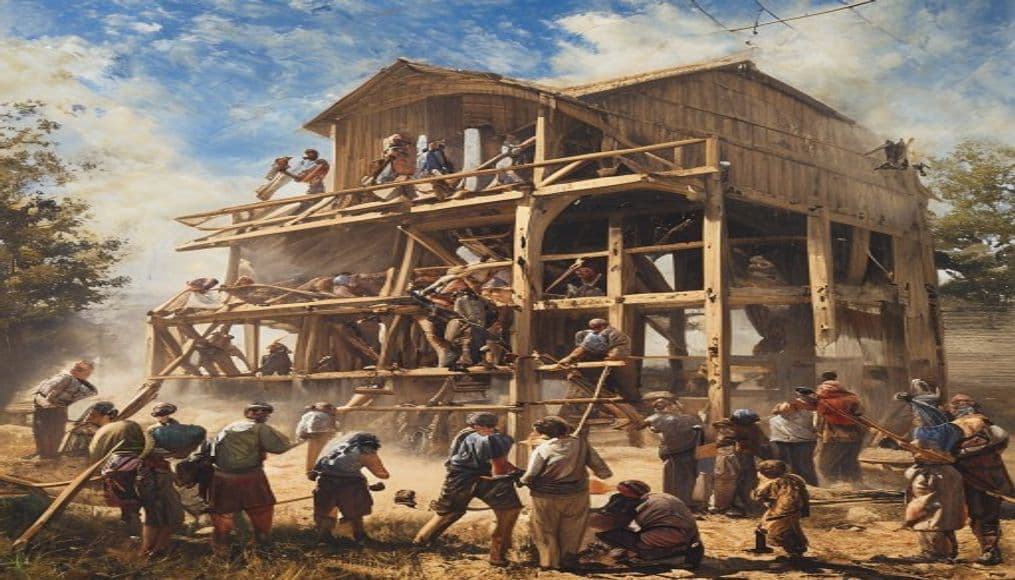
Overflow
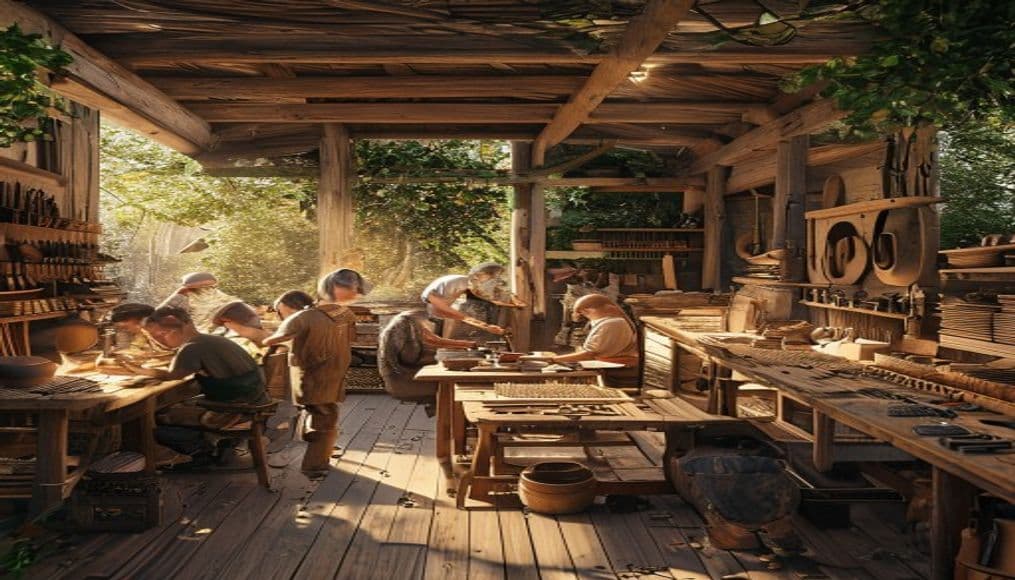
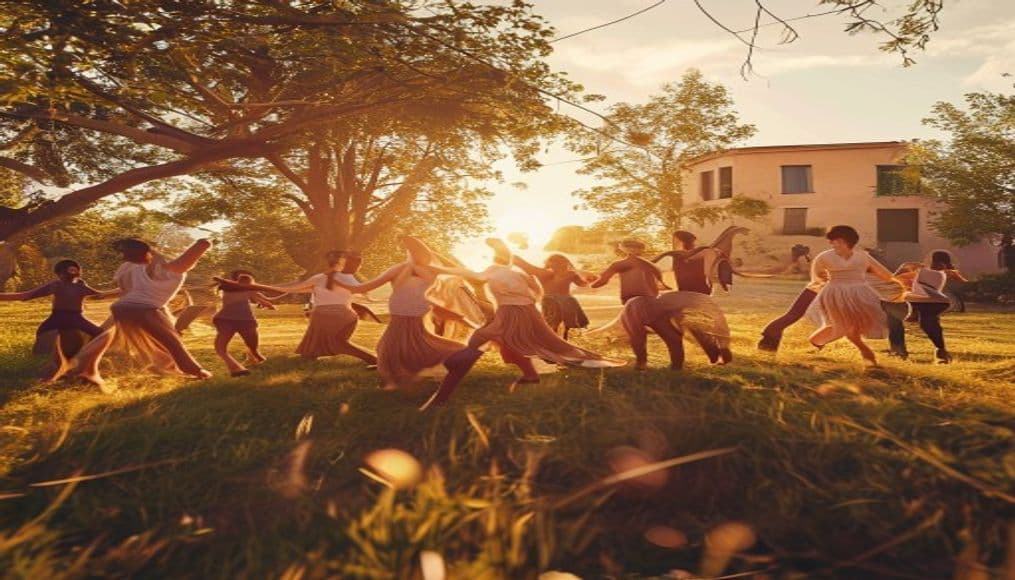
Once a field is warm enough, creativity stops feeling like performance and starts behaving like weather. Music appears, tools come out, ideas move into sketches, and people find themselves joining in before deciding they should.
Vitality spreads through participation, not spectatorship.
More sensed scenes
Additional moments already in the graph
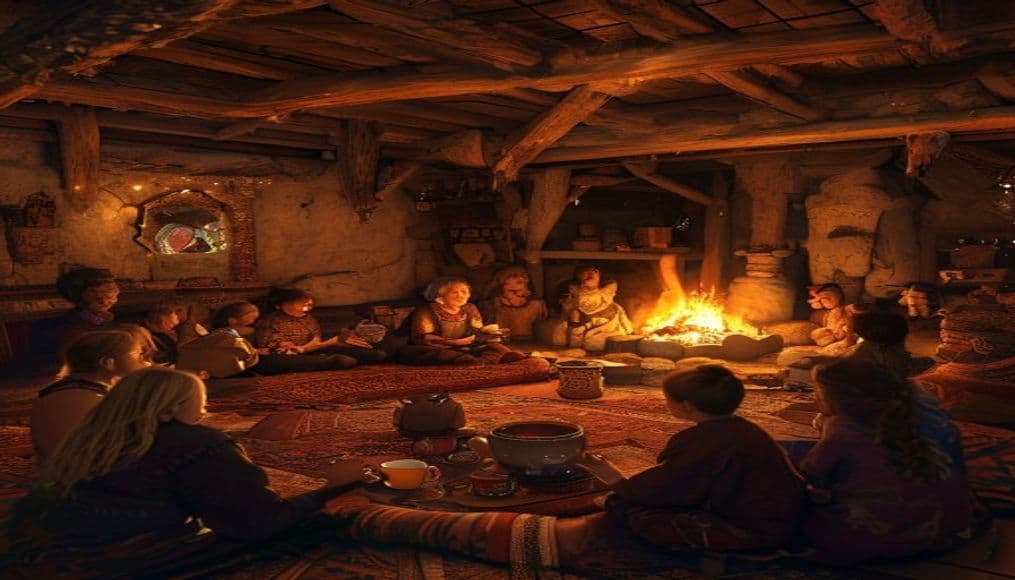
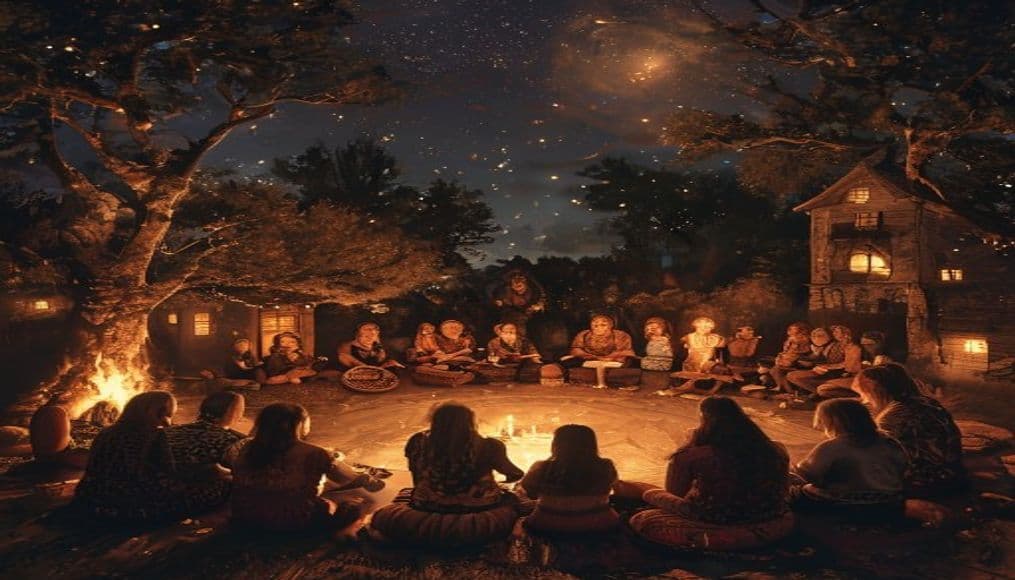
Evening Stories
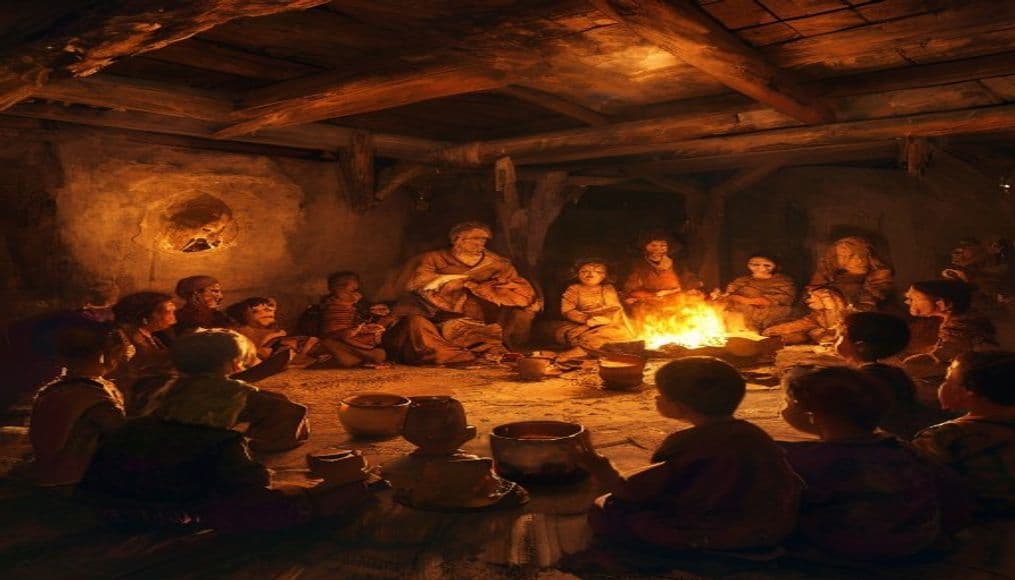
An elder by the fire. Forty faces lit in gold. Children in the front. A cat by the hearth. The community's history carried in one voice.
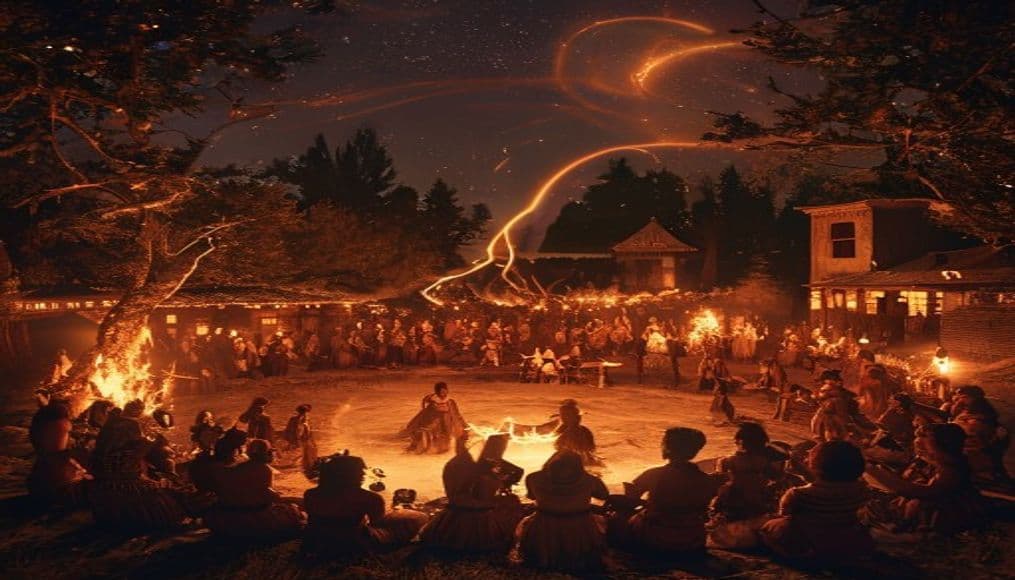
Ceremony Night
A hundred cells around the fire. Drumming. Fire poi spinning light. Stars. The field honoring what wants honoring.
A Traveler Arrives
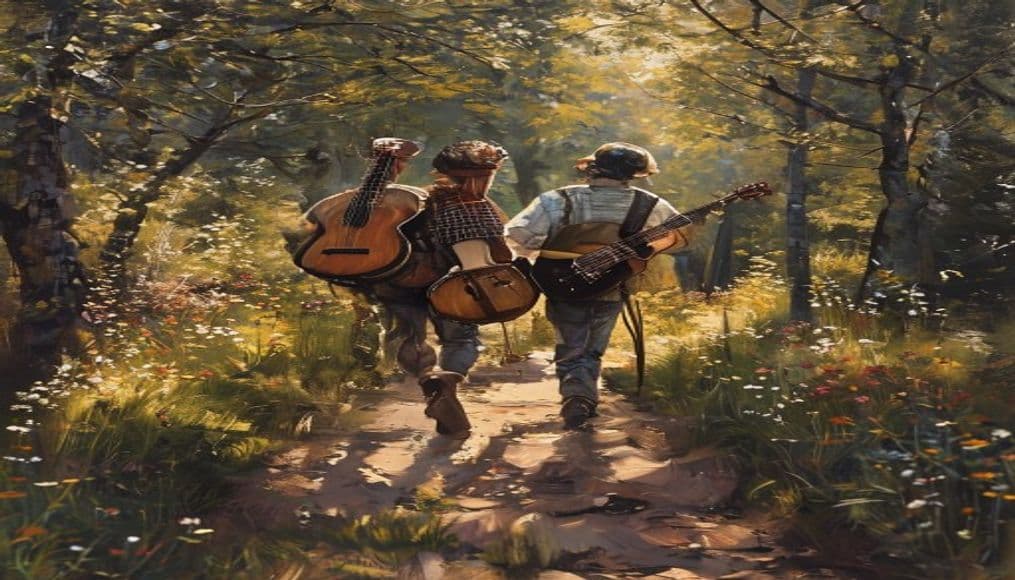
Guitar on back. Walking through the food forest. Smoke visible through the trees. The hum getting louder. Tea offered before the pack hits the ground.
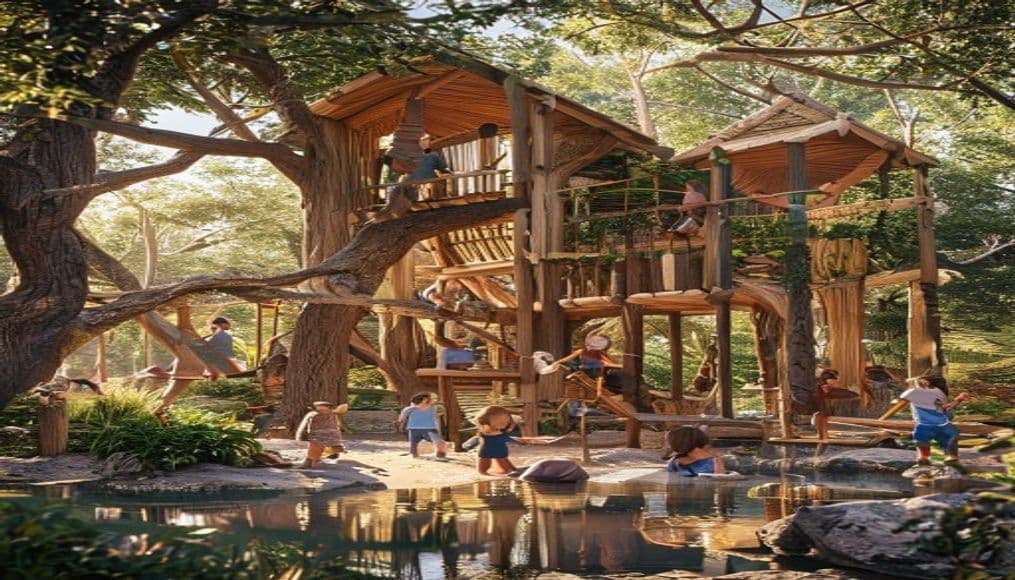
Experiences that make it tangible
You can feel the pattern in real moments
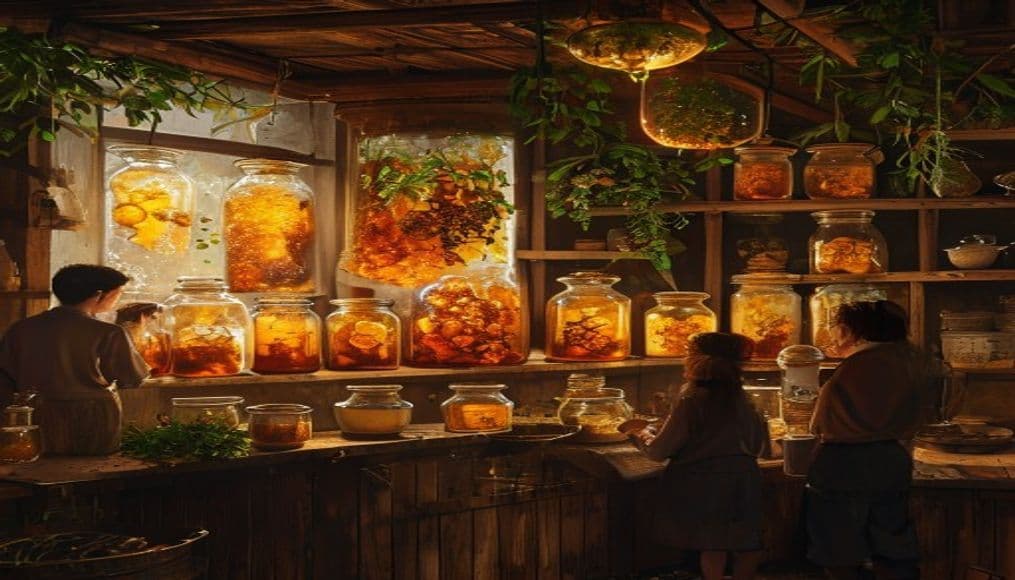
A story becomes more credible when you can smell the kitchen, hear the music, notice the pace change in your own body, and watch people start contributing without being assigned.
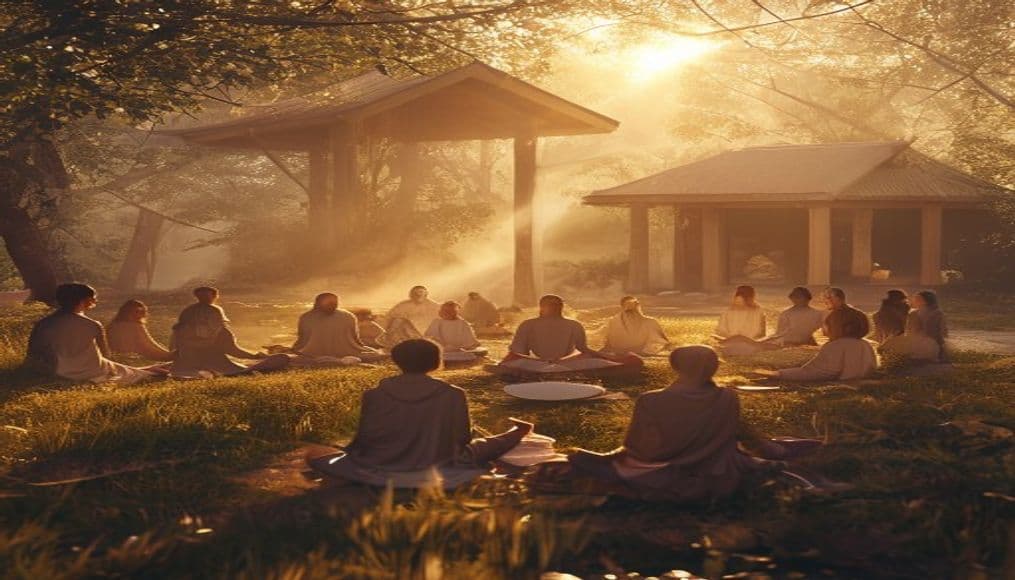
Stories of living
Specific people. Specific rooms. Specific shifts in the field.
Ubud Embodied Lineage
Urs's lived Ubud lineage through Paradiso Ubud, 5Rhythms, DISSOLVE, The Jungle Club, Awakened Dreamers, Mudra Cafe, Sayuri, Ranakami, and Adiwana Svarga Loka as source-backed embodied practice, meeting, music, movement, and field sensing.
Urs Builder Lineage
The source-backed lineage of three building attempts: Living-Resonance-Codex, Living-Codex-CSharp, and Coherence Network. It records the movement from visionary consciousness system to everything-is-a-node architecture to a living intelligence economy with traceability, fair attribution, and participating agents.
What the Skeptic Found
A journalist expected unwashed hippies. Found: sophisticated infrastructure, children who identify thirty edible plants, food that changed her understanding of flavor, a song circle that made her cry, a flowing-edge yurt she didn't mean to sleep in. Her article brought forty visitors. Three of them never left.
The field grows not through recruitment but through radiance.
Sol at Three
Born into the field. Has never known separation. Eight adults hold them regularly. Words in three languages plus words that only exist here — a word for the feeling of the fire circle, a word for honey from the comb, a word for the sound everyone laughing at once. Sol flows: hearth to garden to pond to tree nest to dog to chicken to mud to someone's lap to sleep.
What a child looks like who has never been afraid of the world.
Luna and River
Six years of deep resonance. Not a couple — a sustained harmonic. Some seasons in the same nest, some apart. Luna builds with cob and timber. River plays five instruments. When they're together, a quality of brightness that other cells can feel. Children gravitate toward them because the field is strongest there.
The field you can feel
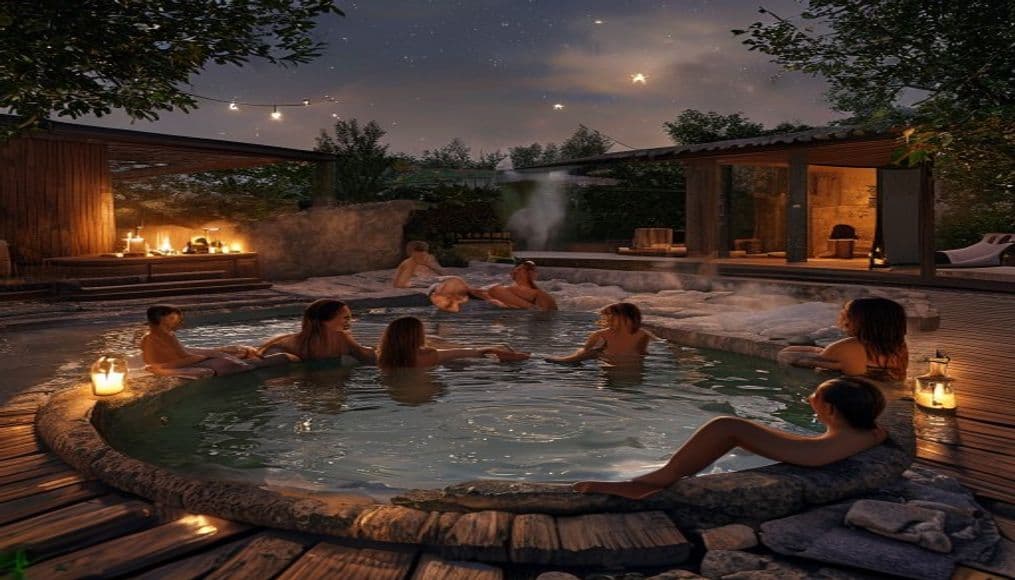
When people share meals, shared attention, sound, craft, movement, and direct conversation for long enough, the atmosphere becomes part of the experience. Visitors often describe it first as warmth, depth, slowness, relief, or a strange sense of being recognized.
That sensation is not decoration. It is evidence that a different social metabolism is becoming physically real.
Every felt experience is one more proof that the story can land in bodies, not only in words.